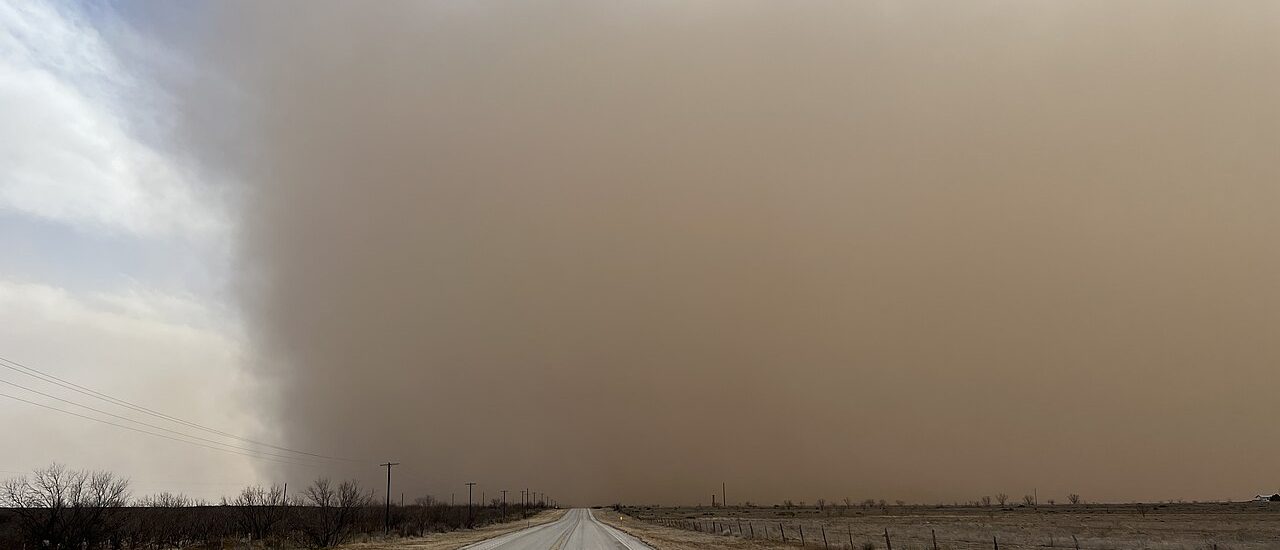
A stage-by-stage plan for drivers caught on the highway as severe weather closes in, from the forecast check before you leave to the safe way to wait out the storm.
Road notes
- A storm counts as severe at 58 mph winds or quarter-sized hail; a warning means it is moving through your county soon and you should act, while a watch means be ready.
- Never drive into water covering a road: six inches of fast-moving water can knock an adult down and one foot can sweep a vehicle away.
- In large hail or flying debris, park off the roadway, stay belted, get below the windows and cover your head with your hands and a cushion.
- If a tornado is visible and far away, drive at a right angle to its path; if not, reach a building, stay low in the car, or as a last resort lie flat in a ditch.
- After the storm, watch for downed power lines and trees, report them, and follow official instructions and detours before resuming the trip.
Severe weather on a highway does not usually announce itself politely. A storm that looks harmless on the horizon can turn into quarter-sized hail, water across the pavement or a tornado warning in less time than it takes to reach the next exit. The fix is not luck. It is a plan you set up before the clouds build, plus a clear idea of what to do at each stage as the storm closes in.
Hours Before You Leave: Check the Forecast Along the Whole Route
Thunderstorms can occur in most places at any hour of the year, so check the forecast for your whole route, not just your starting point. Storms move, and a cross-state drive can cross several watches and warnings in a single afternoon.
Notice the counties along your route. Alerts are issued by area, and knowing which county you are in turns an alert into useful information instead of background noise. Sign up for emergency alerts on your phone, download a radar app and keep a weather app or NOAA Weather Radio within reach for updates.
Plan your bail-out options too: towns and exits where you could reach a sturdy building quickly. And be honest with yourself about the forecast. If severe storms are expected during your driving window, leaving early or waiting them out beats racing a storm, the same logic we use in our guide to long driving days without the drowsiness.
As You Drive: Watches, Warnings and What Each One Asks of You
The National Weather Service uses a tiered system, and the words matter:
| Alert | What it means | What you do |
|---|---|---|
| Severe thunderstorm watch | Severe storms are possible in and near the area, issued for many counties and several hours at a time | Go about your trip, but watch the sky and check updates often |
| Severe thunderstorm warning | A severe storm is moving through your county soon, so act quickly to protect yourself | Slow down, follow alerts and be ready to stop |
| Significant weather alert | Winds 40 mph or more, hail a half inch or larger, or frequent lightning | Treat it as a heads-up that worse may follow |
A watch does not mean severe weather is happening yet. A warning does. For scale, a storm counts as severe when it produces wind gusts of 58 mph or higher, or hail one inch in diameter or larger, which is about the width of a quarter.
Early Stage: When Heavy Rain Turns Into Standing Water
Torrential downpours often come with severe storms, and flooded pavement is the deadliest part of the package. Flooding causes more deaths each year than any other thunderstorm-related hazard, and more than half of flood-related deaths happen to people in vehicles swept downstream.
The numbers behind the warning are stark. Six inches of fast-moving water can knock an adult down, and one foot of moving water can sweep a vehicle away. Depth is hard to judge, especially at night, and the road under the water may be gone.
Careful
Never drive around a barricade or into water covering a road. If the pavement ahead is flooded, turn around and find another route. Drivers who push through flooded roads are exactly the people who end up in that statistic.
When Hail and High Wind Arrive
Hail the size of a quarter hits like a rock from the sky, and gusts approaching 58 mph can push a car sideways. If hail starts, slow down and look for the nearest exit or covered parking to wait under.
If large hail or flying debris arrives before you can reach shelter, park completely off the roadway, stay in the car with your seatbelt on, drop below the windows and protect your head with your hands and any cushion or blanket you have.
A Tornado Warning: Shelter, Drive Away or Ditch
Tornado warning signs worth memorizing: a tightly spinning, funnel-shaped cloud, debris flying up from the ground, or a deep rumble like a passing train. A vehicle offers no truly safe refuge in a tornado, so act on a plan instead of improvising.
Work through the options in this order:
- Get out of the way. If the tornado is easy to see, still looks distant and traffic is light, driving across its track rather than along it may carry you clear.
- Reach a sturdy building if one is close. Four walls and a roof beat any vehicle.
- If driving is no longer safe, park clear of the traffic lanes, stay belted, sit low so your head is beneath the window line, and shield it with your hands plus a cushion.
- As a final option, if a ditch or similar low ground is safely reachable, get out and lie flat there, hands and arms over your head and neck.
The National Weather Service describes the ditch option as a last resort, an emergency move rather than a plan. Do everything you can to avoid ever needing it.
After the Storm: Lines, Debris and Detours
Wait until authorities and forecasts say it is safe to move again. Watch for fallen power lines and trees and report them immediately, staying well clear of any downed line. Look for debris and fresh standing water on the road, and follow official instructions about flash flooding in the area.
Detours are common after a bad storm, so trust posted signs and updated navigation over the route you planned. And if hail or wind left your car damaged or stranded, our step-by-step guide to roadside breakdowns covers what to do while you wait for help. Severe weather is not the only hazard that changes with conditions; our guide to winter mountain driving covers the cold-weather version of checking before you commit.
Questions from the road
Q: What is the difference between a severe thunderstorm watch and a warning?
A: A watch means severe storms are possible in and near the area over the next several hours, so watch the sky and check updates. A warning means a severe storm is moving through your county soon and you need to take quick action.
Q: Should I stay in my car or lie in a ditch during a tornado warning?
A: Nothing inside a vehicle is truly safe in a tornado, so try not to make that choice at all. Drive out of the tornado’s track or reach a sturdy building first. If driving is too risky, stay belted and low in the parked car, and treat the ditch as a final option, used only when you can reach lower ground without danger.
Q: How deep does floodwater have to be to float a car?
A: One foot of moving water can sweep a vehicle away, and six inches of fast-moving water can knock an adult down. Depth is hard to judge, especially at night, so turn around instead of testing it.
Q: What should I check after driving through a storm?
A: Wait for authorities and forecasts to say conditions are safe, then watch for fallen power lines and trees and report them, look for debris and new standing water, and expect detours. If the car was damaged, follow our roadside breakdown steps.
Road rules, fees, closures and border requirements change. Check with the state transportation department, park, rental company or border agency before you travel. This guide is general information.