A car nap can save a trip, but the rules on where you can sleep change at every state line and city limit. Here’s how to find a legal, safe spot before fatigue makes the decision for you.
Road notes
- Rest area overnight rules vary by state, and some rest areas have been converted to truck-only parking, so check your state DOT before counting on one.
- Most designated truck parking in the U.S. is at private truck stops, roughly 273,000 of about 313,000 spaces in the 2019 federal inventory.
- City ordinances on sleeping in your vehicle vary widely; check the municipal code or ask local police where overnight parking is allowed.
- State 511 systems, DOT traveler websites and parking apps can show you legal stopping points before you’re too tired to drive on.
- If you sleep in the car, prioritize ventilation, a charged phone, locked doors and a lit, legal parking spot.
Sooner or later, every long road trip hits the point where the smartest move is to pull over and sleep in the car. The catch is that where you can legally do it changes at every state line and city limit. A spot that’s fine in one state can earn you a knock on the window in the next, so it pays to know your options before fatigue makes the call for you.
Why a Proper Nap Beats Pushing Through
The federal government takes driver fatigue seriously enough that it tracks rest stop capacity as a safety issue. The Federal Highway Administration notes that tired drivers who cannot find a place to park may keep driving, or may stop in risky spots such as road shoulders, exit ramps or vacant lots. The same logic applies to passenger cars. A planned, legal nap is far better than white-knuckling the last three hours, as we cover in more detail in our guide to long driving days without the drowsiness.
State Rest Areas: Rules Vary, So Check Ahead
Rest areas are the obvious candidate, but there is no single national rule. Whether overnight parking is allowed, and for how long, is set state by state, and enforcement varies too. Confirm the rules for each state on your route with that state’s department of transportation before you rely on a rest area for the night.
Two more things to know:
- Rest areas can disappear or change purpose. Missouri has converted ten rest areas and seven former weigh stations into truck parking facilities, and South Dakota has converted some rest areas to truck-only parking as well.
- The space that remains is in demand. Federal surveys of truck parking have found that demand for spaces peaks during night hours and mid-week, which is exactly when a road tripper wants a spot too.
Truck Stops, Big-Box Lots and Casino Parking
Private lots carry most of the load. In the 2019 update to the federal Jason’s Law survey, roughly 313,000 truck parking spaces existed nationwide, and about 273,000 of them were at private truck stops. Those lots are built for drivers who need rest, they usually have restrooms and food, and many are lit and busy around the clock, which helps with security.
Because truck stops are private businesses, policies are set location by location. Some welcome passenger cars overnight for free, some charge a fee, and a few restrict it. Ask the staff or check posted signs. The same applies to big-box store lots, casinos and 24-hour retailers: permission is the rule, not the exception. A quick word with the manager or a security guard takes two minutes and settles the question.
Where Sleeping in Your Car Is Illegal: City Ordinances and Private Lots
The trouble spots are usually urban. Many cities restrict sleeping or living in a vehicle on public streets, and the specifics differ from one municipality to the next. If you plan to overnight in a town, check the local municipal code or call the police department’s non-emergency line. USA.gov, the federal guide to government services, points residents to their state attorney general’s office for state and local legal questions, which is a reasonable starting point for untangling local rules.
Private property is its own category. A shopping center lot looks public but is not, and staying without permission can mean a tow. Parking garages, park-and-ride lots and highway rest stops each come with their own posted rules, so read them.
Finding Legal Spots Before You’re Tired: 511, State DOT Maps and Apps
The best time to solve this problem is at home with a map, not at 11 p.m. on an unfamiliar interstate. Several Midwestern states, including Iowa, Kansas, Michigan, Minnesota, Ohio and Wisconsin, have built truck parking information systems that collect real-time space availability and share it through dynamic message signs, traveler information websites, smartphone apps and 511 services. Build stopping points into the route the same way you plan fuel and toll costs in our road trip fuel budget guide.
Road-tested tip
Before a multi-state trip, spend ten minutes on each state DOT website along your route and note which rest areas allow overnight parking and where the truck stops sit. Save the locations offline, because the stretch where you need them is often the stretch with no signal.
Sleeping in the Car Safely: Ventilation, Batteries and Personal Security
Once you have a legal spot, a few habits make the night safer and more comfortable:
- Ventilation: leave a window cracked slightly for fresh air, and never run the engine while parked in an enclosed space or with the exhaust blocked, for example by deep snow.
- Power: charge your phone before you sleep, and keep a flashlight and a portable battery pack within reach.
- Security: choose a lit, occupied area, lock the doors, keep valuables out of sight and keep your keys where you can reach them quickly.
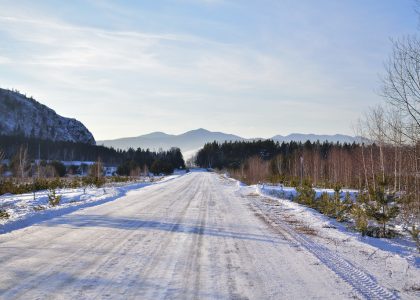
- Weather: in winter conditions, know the road status before you commit to an overnight spot; our guide to winter mountain driving covers closures and chain rules.
If the reason you’re stopped is the car itself rather than the clock, our step-by-step guide to roadside breakdowns walks through what to do first and how to stay safe while you wait for help.
Questions from the road
Q: Can I sleep overnight at a highway rest area?
A: It depends on the state. Some states allow overnight parking at rest areas, others set time limits, and some prohibit it. Rules also change as states repurpose rest areas, so confirm with the state DOT for the states on your route.
Q: Is it legal to sleep in my car in a city?
A: Many cities have ordinances that restrict sleeping or living in a vehicle on public streets, and the rules differ from town to town. Check the local municipal code or call the police department’s non-emergency line before settling in.
Q: Do truck stops let passenger cars park overnight?
A: Most truck stops are private businesses that cater to drivers who need rest, and many welcome passenger cars for a night. Policies and any fees vary by location, so ask inside or look for posted signs.
Q: How do I find legal places to sleep before I get tired?
A: Use your state’s 511 system and DOT traveler information websites, which increasingly include real-time parking availability, plus apps that list truck stops and overnight parking. Plan your stopping points into the route the same way you plan fuel stops.
Road rules, fees, closures and border requirements change. Check with the state transportation department, park, rental company or border agency before you travel. This guide is general information.