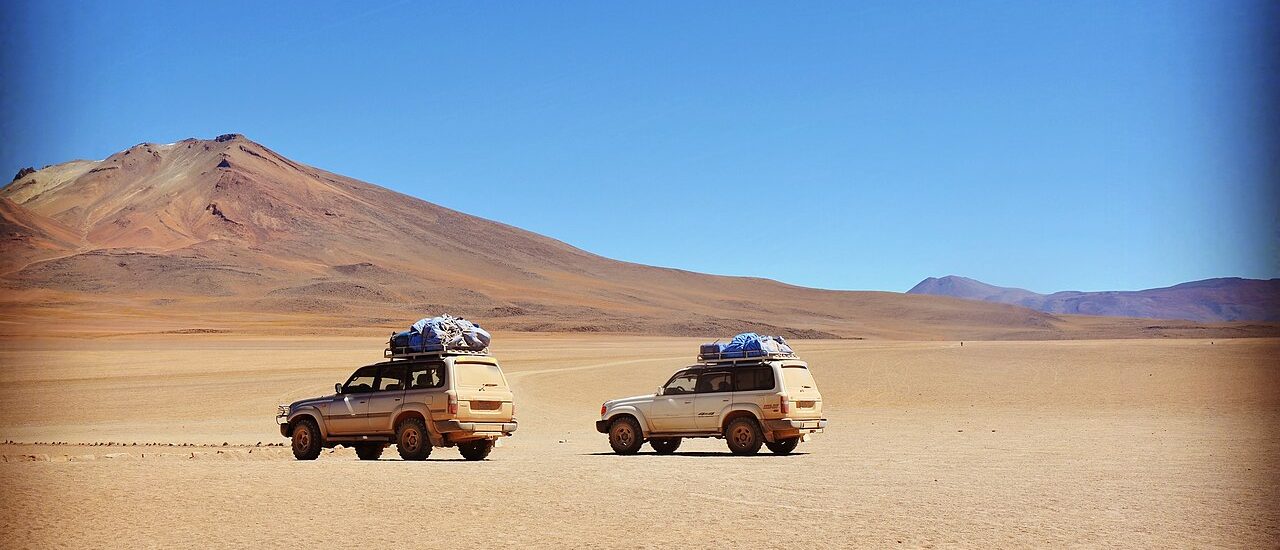
Pack the way you will use the car: gear checked two days out, heavy bags loaded the night before, coolers and the cabin bag on departure morning, and a final sweep at the door.
Road notes
- Check emergency gear, electronics and the weather along your whole route two days before departure, while you still have time to replace or add anything.
- Load the night before: heaviest suitcases on the bottom of the trunk, lighter items on top, and the heaviest bags toward the center of the car.
- Morning is for coolers, snacks and the cabin bag with chargers, wipes, medications and sunglasses, all within reach of the driver and passengers.
- Pack in reverse order of use, so walking shoes, rain jackets and maps sit near the top instead of buried under bags you will not open until you arrive.
- Finish with a doorstep sweep for documents, printed reservations, offline maps, cash, both sets of keys and prescription medications.
A road trip starts in the driveway, not on the highway. The difference between a smooth first day and digging through a packed trunk at the first rest stop comes down to when you load things, not just what you bring. This timeline walks through the run-up to departure, from checking gear two days out to the last sweep at the front door, and explains why the items packed last are the ones you will reach for first.
Two Days Out: Check the Gear You Plan to Bring
Start by pulling out everything you plan to bring and looking at it. Jumper cables, a flashlight or headlamp, a reflective vest, an emergency blanket and a multipurpose tool form the core of a roadside kit, and each item should be present and working rather than assumed. If your kit is thin, two days out is the time to fix it. Assembling supplies from a grocery or hardware store often gets you more of each item than a small commercial kit with one or two of everything.
Then plan around the route, not just the destination. Check the weather along the whole drive. A summer drive out of Phoenix toward the Grand Canyon can put sun protection, a rain shell and a fleece on the list all in the same stretch of road. Winter and mountain routes may add traction gear, a scraper and warm blankets, plus extra food and water, packed generously in case of delays.
This is also the day to cut the list. A car filled with “just in case” items eats space and makes every stop harder, so anything without a clear job stays home. While the gear is out, give the car itself a look. Our guide to the pre-road-trip car checkup covers the quick inspection that catches problems before they become roadside ones.
The Night Before: Load the Heavy and Rarely Needed Items
The evening before departure is for the things you will not touch until you arrive: suitcases, camping gear, sports equipment. Load the largest and heaviest pieces on the bottom and lighter, softer things on top, the same way you would fill a suitcase. Keep the heaviest bags toward the center of the car as well.
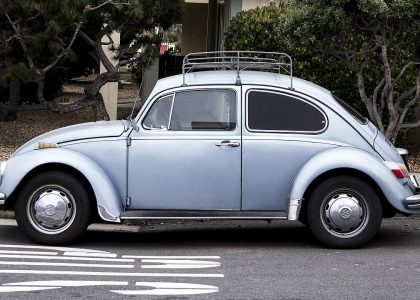
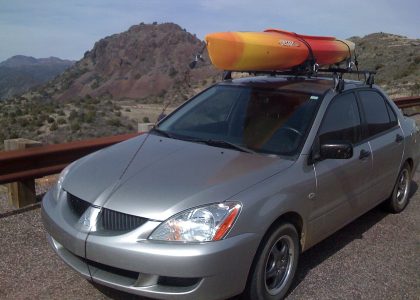
Two spots often go unused. The space around the spare tire or jack is a good home for jumper cables and bungee cords, and the area under the seats suits items you might need right away, such as a first aid or emergency kit. Store what you need only at your final destination in the trunk, and save the roof carrier, if you use one, for lightweight, bulky or odd-shaped items.
Three checks before you close up for the night: nothing blocks the rearview mirror, passengers will have room to sit comfortably, and you can still see out the back. A car packed to the ceiling is a visibility and safety problem, not just an annoyance.
Towing a camper or driving a motorhome adds its own list: blocks for leveling the rig on uneven sites, the hoses and cables for water and waste hookups, gloves for handling those connections, a small set of hand tools and spare fuses, all stowed where they can be found quickly. Confirm the route works for your vehicle’s height, weight and propane needs before leaving, since a low bridge or an RV-restricted parkway is a bad thing to discover live.
Morning of Departure: Cooler, Snacks and the Cabin Bag
Morning is for the things that spoil or get eaten first. Load the cooler last so it goes in cold, and keep it within reach of a passenger, because someone will want a drink an hour in. Fill seat-back organizers with books, tablets and snacks for the kids, and drop crayons or small toys into unused cup holders.
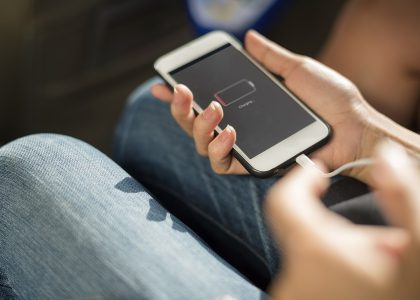
Then build a cabin bag, a soft tote that rides up front and solves minor problems without a stop to dig through the trunk. Stock it with charging cables, a car adapter, a battery pack, sunglasses, tissues, wipes, any medicines the driver and passengers take on the road, and a few plastic bags for queasy stomachs or spills. A small notepad and pen still earn their spot for gate codes, directions or a note left on the dashboard at a trailhead.
Pack by day, too, not by room. Make a separate grab-and-go bag for every night spent on the road, holding that stop’s pajamas and toiletries, so they do not end up at the bottom of the biggest suitcase. That single habit saves more repacking than anything else on this list.
Last In, First Out: Why Packing Order Matters on the Road
Think of the car in zones. The front console holds what you reach for constantly: phone chargers, sunglasses, route notes. Under the seats live the emergency kit and first aid supplies. Seat backs hold entertainment, and the trunk holds the destination. When each zone has a job, and each layer is loaded in reverse order of use, daily items end up on top instead of buried.
The test is simple. Picture your first stop and what you will want there. Comfortable walking shoes, a rain jacket and a map or guide all belong near the top of the load. Anything that fails the test goes low. Heaviest and least-needed first, daily items last, and every stop gets easier.
The Doorstep Sweep: Documents, Chargers and the Bag You Regret Forgetting
Before anyone buckles up, run a final check at the front door:
- Driver’s license, registration and proof of insurance, with the owner’s manual in the glove box.
- Digital backups of key documents saved in your phone or email, in case physical copies go missing.
- Printed reservations and confirmations, including campgrounds, because a screen is no help in a no-signal stretch. Most map apps also let you download offline maps before you leave.
- Cash in small bills and a backup payment card, since some small businesses take only cash or not every card type.
- Both sets of car keys, not just the one in your pocket.
- Prescription medications, plus a charger for every device you are bringing.
Road-tested tip
Keep documents and chargers in one zippered pouch instead of scattered through pockets and bags. The pouch rides in the cabin, moves to your pocket at every stop, and never has to be hunted for.
The one bag you regret forgetting is different for every household, and the sweep exists to catch it. For some families it is a favorite pillow. For others it is the cooler bag, a child’s stuffed animal or spare shoes. Two days of staging, a night of heavy loading and a morning of daily bags mean the answer is usually already in the car.
When the sweep is done, you can think about the drive instead of the cargo. Our guide to road trip fuel math helps you budget gas and tolls, and breaking down on a road trip covers what to do if the emergency kit actually gets used. If the plan includes sleeping in the car along the way, our guide to where it’s legal and safe is worth a read before you go.
Questions from the road
Q: What should go in the car last?
A: Coolers, snacks, and the cabin bag with chargers, medications and other items you will reach for during the drive. Loading them last keeps food cold and daily items on top instead of buried under luggage.
Q: Where should the emergency kit go in a packed car?
A: The area under the seats works well for a first aid or roadside emergency kit, since you can reach it without opening the trunk. Jumper cables and bungee cords fit in the space around the spare tire or jack.
Q: How do I keep overnight stops from turning into full unpacking sessions?
A: Pack one grab-and-go bag for each night on the road, so that stop’s pajamas and toiletries are together in a single bag. Anything needed only at your final destination can go deep in the trunk.
Q: What documents should I check for at the front door?
A: Your driver’s license, registration, proof of insurance and the owner’s manual, plus printed reservations and downloaded offline maps for stretches with no signal. Bring cash, a backup payment card, both sets of keys and prescription medications.
Road rules, fees, closures and border requirements change. Check with the state transportation department, park, rental company or border agency before you travel. This guide is general information.