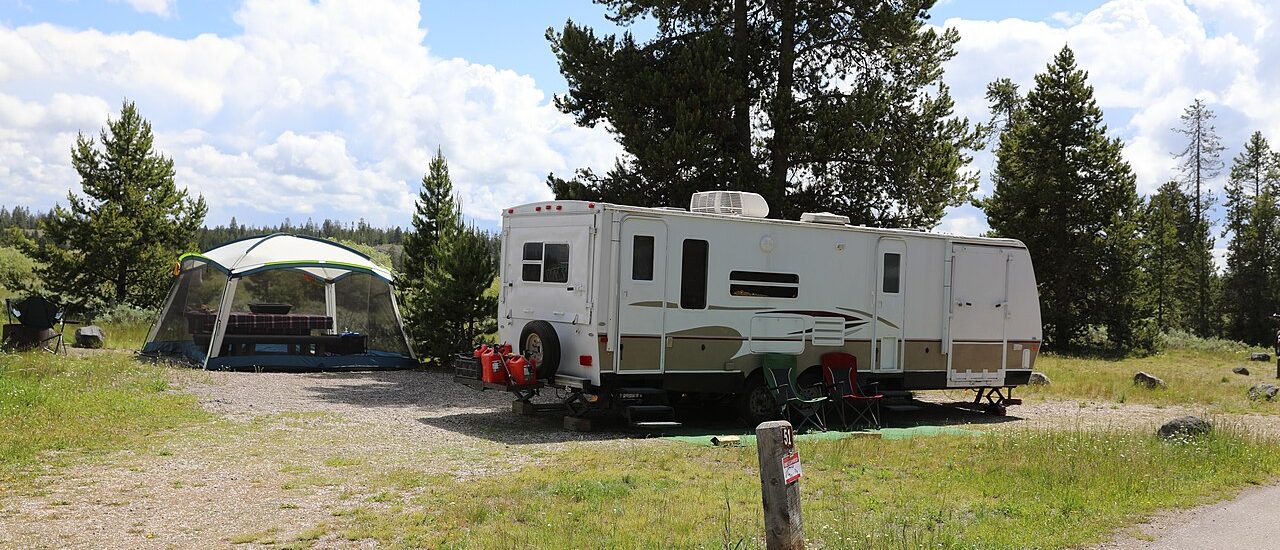
Renting an RV is the smart way to find out if the lifestyle fits before buying one. This walkthrough covers each step in order, from picking a class to backing into a site that actually fits your rig.
Road notes
- A standard RV rental needs a valid driver’s license and a major credit card, with no commercial license required regardless of the RV’s size.
- The nightly rate is only part of the bill: mileage fees, cleaning fees, fuel at roughly 6 to 10 mpg, campsite fees and dump fees all add up.
- The standard minimum age to rent is 25, and renters between 21 and 24 should expect daily surcharges or extra restrictions where allowed.
- Get a full walkthrough at pickup, photograph the rig, and practice driving, backing up and dumping tanks before departure day.
- Match the campsite to the rig: confirm length limits, slideout clearance and hookups before you reserve, and book popular parks early.
Renting an RV for the first time looks simple from the outside: pick a rig, pay, drive off. In practice the rental is only one of several decisions, and the ones people skip (insurance details, tank practice, campsite length limits) are the ones that produce expensive surprises. This walkthrough covers the whole job in order, from choosing a class of RV to backing into a site that actually fits.
Step 1: Pick a Class That Matches Your Route
Start by deciding between driving a motorhome and towing a travel trailer, because that choice shapes everything else. If you want to tow, you also need an appropriate tow vehicle, which most first-time renters do not have. Motorized rigs avoid that problem entirely.
The main options:
| Type | What it is | Good fit for |
|---|---|---|
| Camper van | The smallest motorized option | Couples and easy driving |
| Class C motorhome | Motorized, with the cab-over bed; rental examples commonly run around 24 to 28 feet | Families wanting a bed, bath and kitchen |
| Class A motorhome | The largest motorized type, described as the size of a city bus | Long trips with more living space |
| Travel trailer | Towed behind a truck or SUV with the right towing capacity | Trips where you want to unhook and drive the tow vehicle |
| Pop-up trailer | Small towable | A low-commitment first taste of camping |
If even the driving part feels like too much for a first trip, look for owners who offer delivery. Many will deliver and set up the RV at your campground, so you can test the camping experience before committing to driving a rig at all.
Step 2: Get the Real Total Cost, Including Mileage and Fuel
The nightly rate is the starting point, not the total. Add these up before you book:
- Mileage: some rentals charge per mile, while others include unlimited miles. If your route is long, a mileage-capped deal can get expensive fast, so compare the math.
- Cleaning fees and any prep or setup fees, which are common and can add up quickly.
- Fuel. Rental partners estimate RVs get roughly 6 to 10 miles per gallon depending on the model, so budget generously for gas.
- Campground fees, hookups and dump fees, which vary widely by park.
- Tolls along your route.
Our guide to road trip fuel math walks through budgeting gas, tolls and the rest, and the same method applies with a thirstier vehicle.
Step 3: Sort Out Insurance and Deposits Before Pickup
The standard requirements are straightforward: a valid driver’s license and a major credit card, with no special license needed regardless of size. The standard minimum age to rent is 25. Some states allow drivers as young as 21 and individual owners can set their own policies, but renters between 21 and 24 should expect daily surcharges or extra restrictions even when a rental is allowed. Temporary licenses are typically not accepted, and international renters may be asked for extra verification such as a passport.
Then pin down insurance in writing before pickup day. Ask exactly what coverage comes with the rental, what the deductible is, and what happens if the slideout or awning is damaged. If the rental does not include RV coverage, your own auto insurance provider may be able to help, so call your agent and ask directly. Also confirm the deposit amount, when it is placed on your card and when it comes off.
Step 4: Do the Walkthrough and Photograph Everything
Ask for a proper walkthrough, even if you have some RV experience. Bring your phone and photograph or video the exterior from all sides, the tires, the interior, and the gauges for fuel, propane and the holding tanks. If anything is already damaged, document it before you leave.
Then work around the rig systematically:
- Check tire pressure and confirm all access doors are closed and nothing is in the way.
- Run every slideout in and out at least once.
- Test the refrigerator, stove, water pump, shower, toilet, lights and awning.
- Confirm what comes with the rental. Some rentals include bedding and kitchen supplies, and peer-to-peer listings often flag a fully stocked option, so you know what to pack.
- Locate the fresh water fill, the gray and black tank valves, and the sewer hose, and confirm the hoses, adapters and gloves are on board.
- Save the owner’s contact information and ask them to show you anything you are unsure about while you are still parked in their driveway.
Step 5: Practice Driving, Backing Up and Dumping Tanks
Before departure day, take the rig to a large empty parking lot, the kind you find at a mall before it opens or a church lot on a weekday. At low speed, learn the mirrors, practice corners, back up, and park. If you are traveling with a partner, agree on hand signals so parking does not turn into shouting through windows.
Memorize the rig’s length, height and width so clearances do not surprise you, and check your route for low bridges. Remember that an RV sits higher with more wind surface than a car, so keep both hands on the wheel and leave far more following distance than you would in a car. RV insurers report that roughly 15 percent of RV auto insurance claims come from failure to stop or turn correctly, which is what that extra distance buys you. If the trip includes long highway days, our article on how far is too far in a day helps you set a realistic pace.
Then practice the chores once, in a low-stakes setting: level the rig, run the slideouts, connect water and electric. Ask the owner to walk you through dumping the black and gray tanks, or simply pay extra to have them do it at the end of the trip, which many first-time renters find worthwhile.
Step 6: Reserve Campsites That Fit Your Rig
Search for campsites at the same time you search for the RV, so you know your target sites can take the rig you land on. When you book, give the campground the exact details: total length and the number of slideouts, which widen the interior and need extra site width.
Read each campground’s specs closely, because they differ more than most people expect. Gulpha Gorge Campground in Hot Springs National Park charges $34 per night with full hookups at 30 and 50 amps, books through Recreation.gov, and has no pull-through sites. Twin Peaks Campground at Organ Pipe Cactus National Monument has 174 RV sites at $20 per night, but only four of them fit rigs up to 45 feet. At Amistad National Recreation Area, sites are first come, first served at $6 to $10, and Governors Landing tops out at RVs 28 feet long. Stay limits also vary, from 14 consecutive days at some parks to 21 at others, so check before you plan a long stop.
Careful
If you are having a rental RV delivered to a campground, confirm the individual or business has any permit required to operate there. Some national park sites state clearly that an unpermitted delivery can be turned away, leaving you without a place to sleep.
Once the rig is booked and the sites are set, the rest is route planning. If your itinerary follows a parkway or mountain road, our guide to planning a scenic byway trip covers passes, parkways and coast roads, and it is worth a read before you point a 26-foot rig at either one.
Questions from the road
Q: Do I need a special license to drive a rental RV?
A: No. A valid driver’s license and a major credit card are the standard requirements, and no commercial license is required regardless of the RV’s size. Temporary licenses are typically not accepted, and the standard minimum rental age is 25.
Q: Can I have the RV delivered instead of driving it?
A: Many peer-to-peer owners offer delivery and setup at a campground, which lets you try RV camping without driving a big rig. If you go this route, confirm the delivery company has any permit the campground requires.
Q: Should I rent an RV before buying one?
A: Renting first is widely recommended because it tells you whether you even enjoy the experience and lets you try different types. If you plan to use an RV 20 days or more per year, buying may make more sense.
Q: How far in advance should I book campsites?
A: Search for campsites at the same time you search for the RV, so the sites you want can fit whatever rig you end up renting. Popular national park campgrounds can sell out far ahead, so reserve as early as the booking window allows.
Road rules, fees, closures and border requirements change. Check with the state transportation department, park, rental company or border agency before you travel. This guide is general information.